
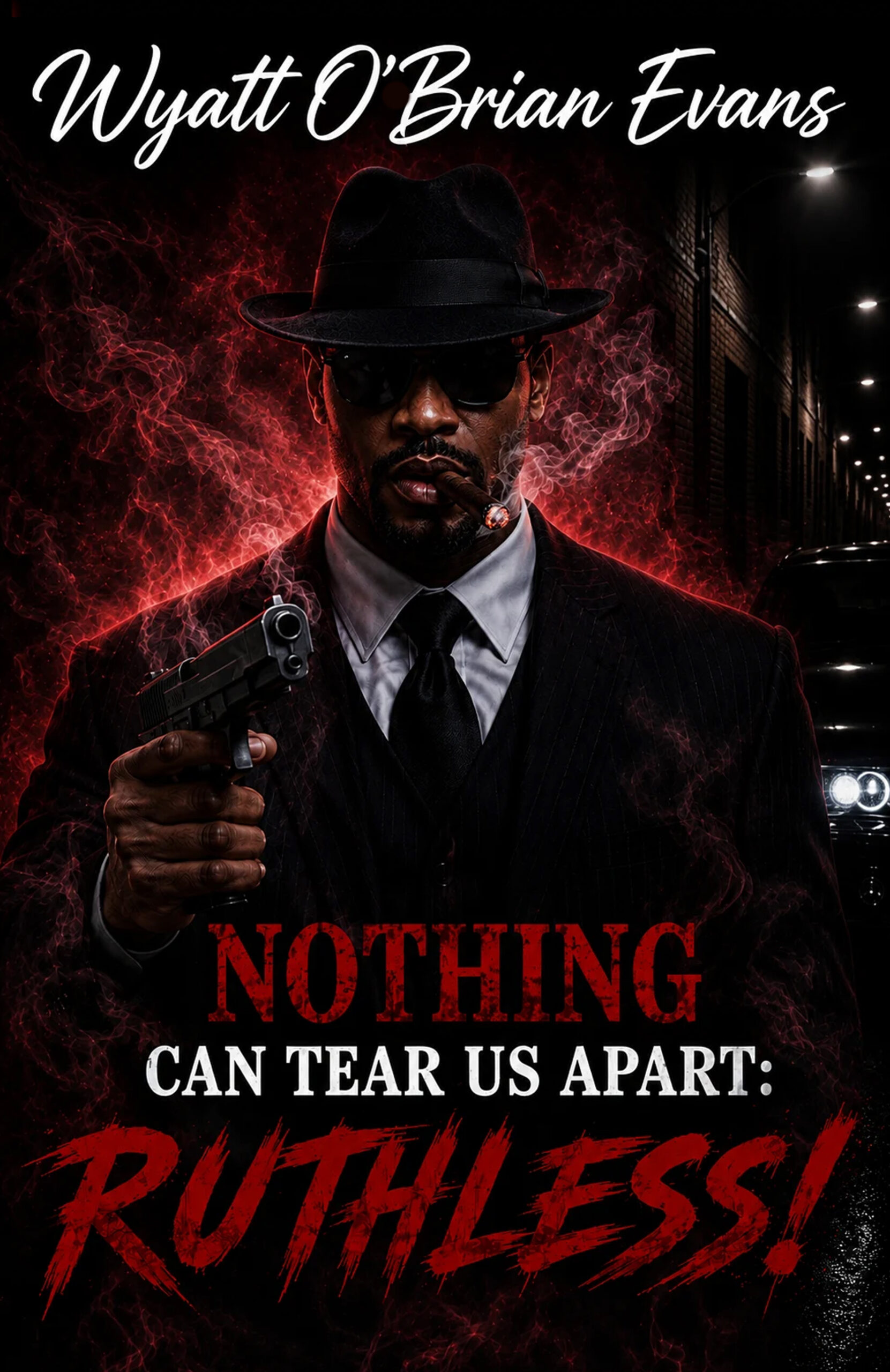
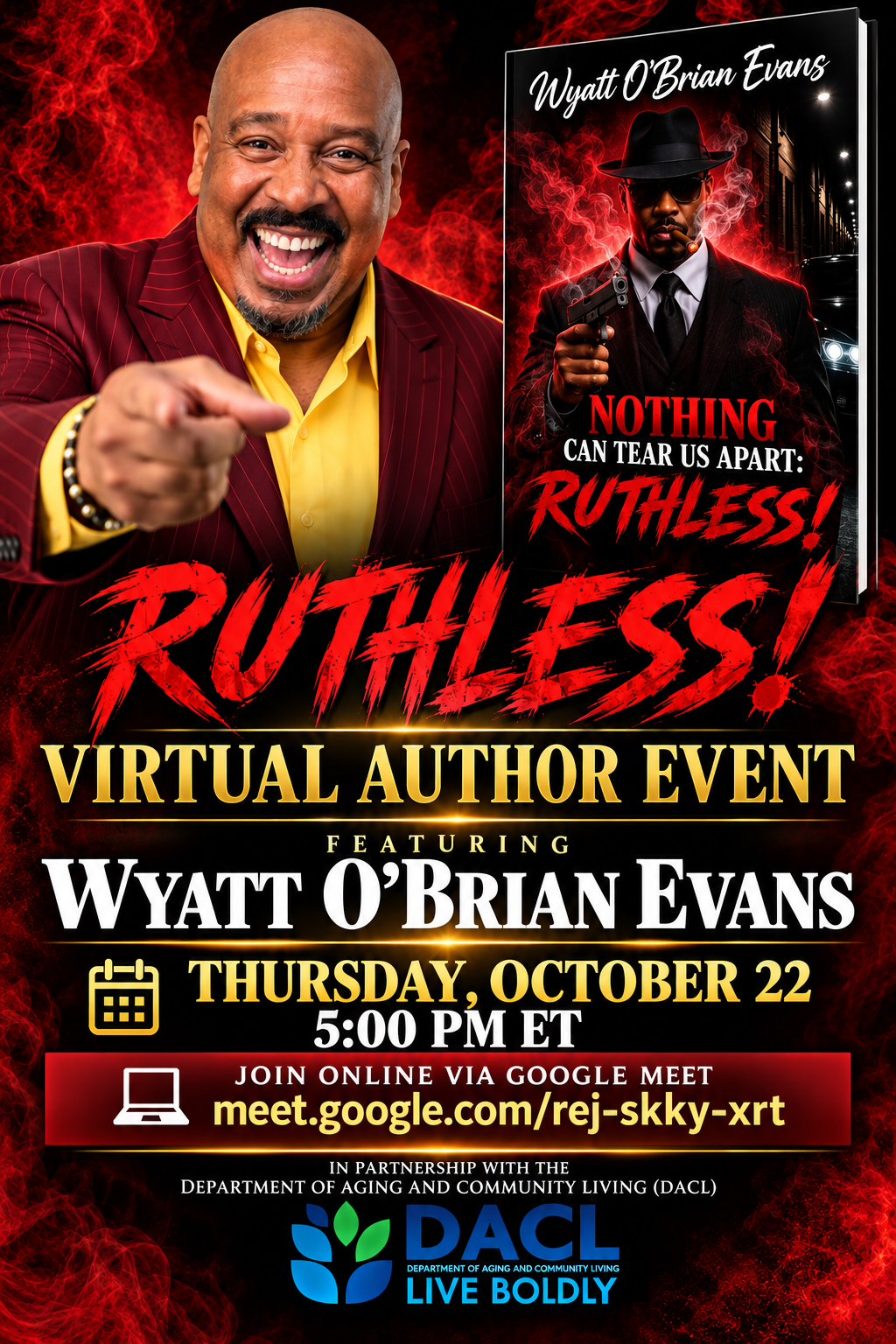
The venerable and influential LGBTQ+ media outlet PrideIndex.com recently sat down with me for my first online interview about my newest novel, Nothing Can Tear Us Apart: RUTHLESS! The engaging conversation was conducted by Philip Esteem, administrator and editor of the entertainment and media platform, which serves African-American and POC LGBTQ+ communities. Visit: https://www.prideindex.com/wyatt-obrian-evans-ruthless-explores-lgbtq-love-trauma-and-resilience/
The interview offered an opportunity to go beyond the pages of RUTHLESS! and explore the creative vision, motivations, and personal challenges that shaped this latest installment in the Nothing Can Tear Us Apart series. Mr. Esteem asked thoughtful and wide-ranging questions that allowed me to discuss not only the novel itself, but also the evolution of the series and the characters who inhabit its increasingly complex and emotionally charged world.
Among the topics we explored were what readers can expect from RUTHLESS!, my writing process, the evolution of my characters, and the ways in which I challenged myself creatively while writing this latest installment. We also delved into several of the novel’s central themes and narrative choices—including why I placed monogamy so prominently at the heart of the story, why intimate partner violence and abuse (IPV/A) became such a significant thematic element, and whether I could envision Nothing Can Tear Us Apart eventually making the transition from the printed page to the screen.
One of the things I particularly appreciated about the interview was the opportunity to discuss what makes RUTHLESS! distinctive within contemporary LGBTQ+ literature. I explained:
“In the landscape of contemporary LGBTQ+ literature, RUTHLESS! is unique. It stands out in its portrayal of upwardly mobile men of color. These characters either believe in monogamy or share an unbreakable bond. The story is universal; it resonates with LGBTQ+ and heterosexual audiences alike. The themes I explore include intimate partner violence and abuse, issues that are often ignored. Ultimately, it’s a story of love, resilience, trauma, and that unbreakable bond.”
That, in many ways, is at the heart of what I hope RUTHLESS! accomplishes. While the novel is unapologetically LGBTQ+ in its characters, relationships, experiences, and perspective, its emotional core is universal. Love, loyalty, betrayal, trauma, resilience, violence, redemption, and the desire to protect the people we love are not confined to one community. These are human experiences, and I wanted RUTHLESS! to explore them with honesty, complexity, sensuality, and emotional depth.
The conversation also gave me an opportunity to speak about the importance of portraying Black and POC LGBTQ+ characters as fully realized human beings—men whose lives extend far beyond the stereotypes and limited representations that have too often defined LGBTQ+ characters of color in popular culture. The men of Nothing Can Tear Us Apart are ambitious, successful, complicated, vulnerable, powerful, flawed, passionate, and deeply capable of love. Their relationships are central to the story, but they are never reduced to their sexuality.
I was equally grateful for the opportunity to discuss IPV/A, a difficult subject that remains too frequently overlooked or insufficiently explored in LGBTQ+ storytelling. By placing it within the narrative, I wanted to examine the devastating impact of abuse while also exploring the complicated psychological and emotional forces that can surround intimate relationships. RUTHLESS! doesn’t treat these experiences as mere plot devices; rather, they are woven into a larger story about trauma, survival, resilience, and the extraordinary strength required to confront what has been hidden.
And then there is the question of the screen.
Could Nothing Can Tear Us Apart become a film or television series? Absolutely! I envision that possibility. The series contains richly developed characters, dramatic conflicts, complex relationships, psychological tension, sensuality, humor, danger, and cinematic environments that could translate powerfully to the screen. But ultimately, the characters and their emotional journeys would have to remain at the center of any adaptation.
I am deeply grateful to Phil Esteem and PrideIndex.com for taking the time to explore Nothing Can Tear Us Apart: RUTHLESS! and for helping introduce this new installment to a broader audience. An interview like this does more than promote a new book; it creates an opportunity to discuss the ideas, experiences, and conversations that live beneath the surface of the story.
Thank you, Phil, and thank you, PrideIndex.com, for helping introduce Nothing Can Tear Us Apart: RUTHLESS! to the world—and for giving this new novel the attention, consideration, and recognition it so richly deserves.



Leave A Comment