
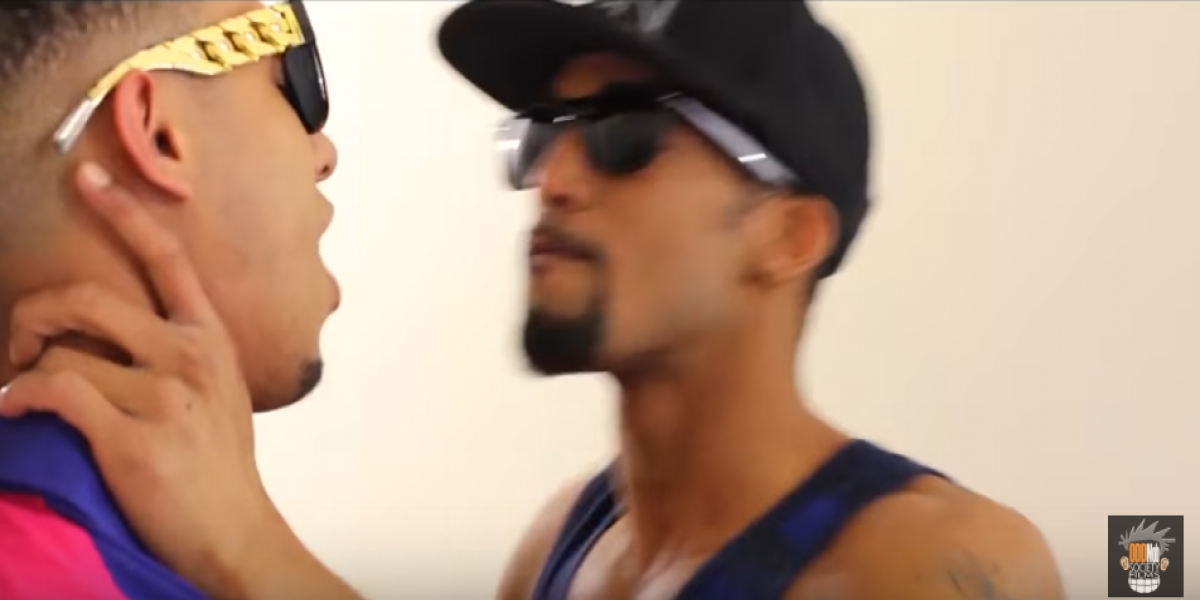
Intimate Partner Violence and Abuse (IPV/A) is a serious, growing, and potentially life-threatening public health problem that affects millions of Americans. Within the LGBTQ+ community, IPV/A describes physical, sexual, emotional, and/or psychological harm by a current or former partner or spouse. And due to stigma, this hellish and dysfunctional cycle of behavior is often dramatically underreported.
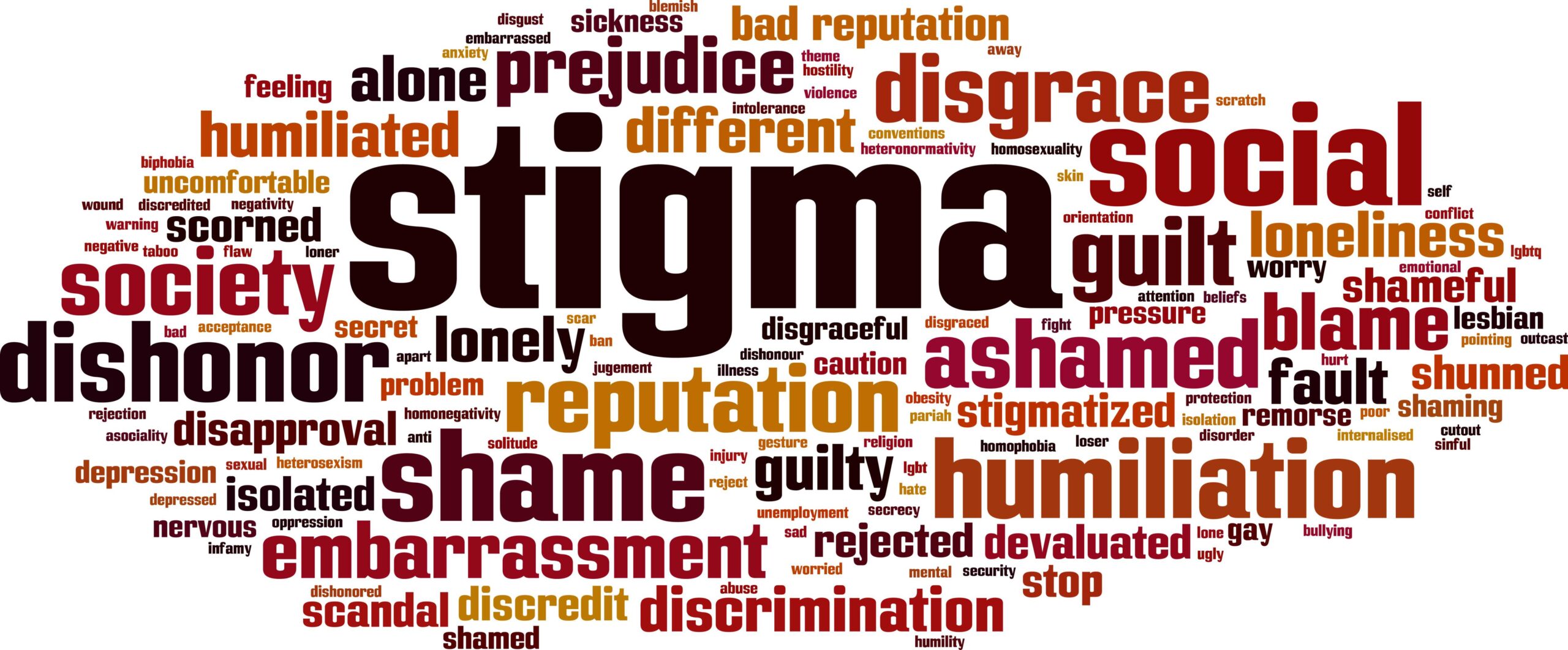
So, what is stigma? According to Verywellhealth.com, it is a “negative attitude or idea about a mental, physical, or social feature of a person or group of people that involves social disapproval.”
Let me point out that this series on stigma is male-centric because, well, I’m a guy. It’s not my intention to marginalize or overlook the experiences of women or those of other genders.
In part two of this series, you will see how stigma can be an intractable barrier that Gay/SGL (same gender loving) men find extremely difficult to overcome when attempting to make their Great Escape from Intimate Partner Violence and Abuse.
There are two concepts of stigma:
- Enacted. This is external, referring to experiences of unfair treatment by others (e.g., discrimination).
- Felt. This is internal or self-stigmatization. It refers to the shame and fear of discrimination that prevent people from talking about their experiences and seeking help. Felt stigma can be as damaging as enacted since it leads to withdrawal and restriction of social support.

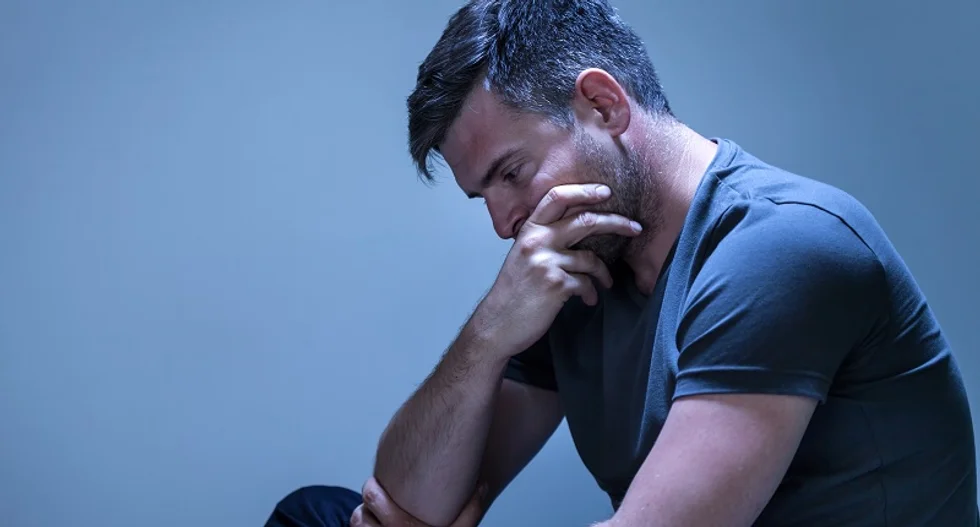
Male victims often face different stigmas than female victims do, and these stigmas can prevent them from coming forward to report their abuse. Advocates report that men can be afraid of the stereotype that they should be the “stronger sex” and, as such, should be able to fight back against their abuser. DomesticShelters.org adds, “Or, males may be afraid of disclosing their sexuality if the abuse occurred in a same-sex relationship. Additionally, men more often face skepticism from police, and there are few domestic violence shelters that admit men.”
According to dvsn.org (Domestic Violence Services Network), “Male victims can feel that they don’t fit the mold of ‘real men’ unless they either fight back or just ‘take it like a man’. They are often embarrassed or ashamed that they ‘let’ this happen to them, that they didn’t live up to being a ‘real man’. Whether or not they feel personally emasculated by not fitting this stereotypical masculine role, others may see it that way and shame them, privately or publicly, or treat them differently.”
To avoid this, many male victims choose not to report abuse, seek assistance, or even tell anyone about it. Additionally, men are often socialized not to express feelings. Thus, male victims may be fearful of showing too much emotion while disclosing or crying and appearing “unmanly.” Dvsn.org also stated, “Not only might they be worried that friends and family would laugh at or belittle them for this vulnerability, but it might be a trigger for their abuser or something they can use to verbally or emotionally abuse the victim.”
I’ve interviewed victims who, at some point, allowed stigma to prevent them from extricating themselves from IPV/A situations.
The savagery and sway of stigma is NO joke.
My website has a special IPV/A section with resources to assist victims and survivors. www.wyattevans.com/ipva/
And if you or someone you know is experiencing Intimate Partner Violence and Abuse (IPV/A), call:
- The Gay Men’s Domestic Violence Project Hotline (1-800-832-1901).
- The Gay, Lesbian, Bisexual, and Transgender National Hotline (1-888-843-4564).
- The National Domestic Violence Hotline (1-800-799-7233).
- Trans Lifeline. US: (877-565-8860). Canada: (877-330-6366).
(And always remember: In some cases, “Lovin’ You to Death” isn’t all it’s cracked up to be.)

Leave A Comment