
Intimate Partner Violence and Abuse (IPV/A) is a serious, growing, and potentially life-threatening public health problem that affects millions of Americans. Within the LGBTQ+ community, IPV/A describes physical, sexual, emotional, and/or psychological harm by a current or former partner or spouse. And due to stigma, this hellish and dysfunctional cycle of behavior is often dramatically underreported.
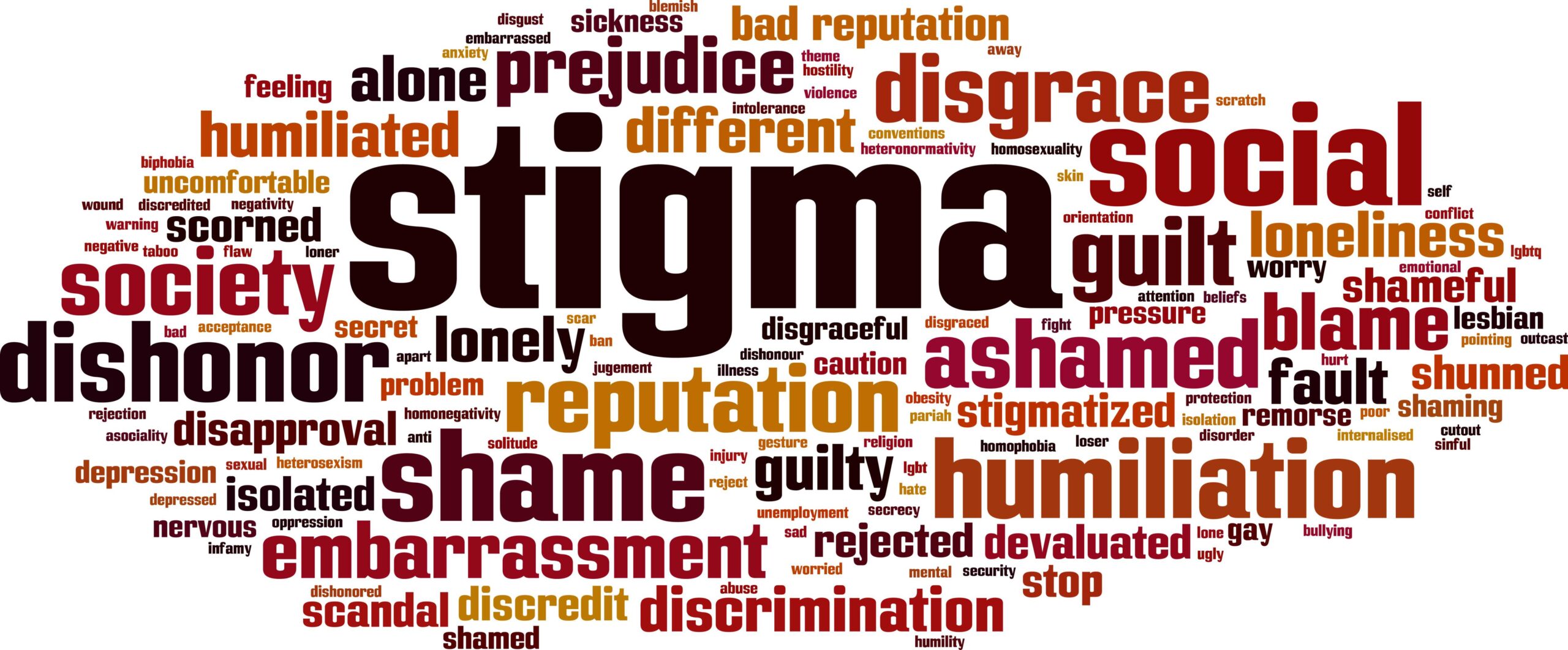
So, what is stigma? According to Verywellhealth.com, it is a “negative attitude or idea about a mental, physical, or social feature of a person or group of people that involves social disapproval.“
Let me point out that this series on stigma is male-centric because, well, I’m a guy. It’s not my intention to marginalize or overlook the experiences of women or those of other genders.
Before we do a deep dive into the concepts of stigma and how it is a significant obstacle for Gay/SGL (same gender loving) victims from making their Great Escape, let’s have our IPV/A refresher, which includes new info and updated stats.
According to The National Coalition of Anti-Violence Programs (NCAVP), IPV/A is “a pattern of behaviors utilized by one partner (the abuser or batterer) to exert and maintain control over another person (the survivor or victim) where there exists an intimate, loving and dependent relationship.” Each year, between 50,000-100,000 lesbians (or more) and as many as 500,000 (or more) Gay/SGL men are battered.
Psychologists and authors Jeanne Segal and Melinda Smith state, “Domestic violence and abuse are used for one purpose and one purpose only: to gain and maintain total control over you. Abusers use fear, guilt, shame, and intimidation to wear you down and keep you under his or her ‘thumb.’ Your abuser may also threaten you, hurt you, or hurt those around you. The bottom line is that abusive behavior is never acceptable. You deserve to feel valued, respected, and safe.”
According to the National Domestic Violence Hotline:
- 1 in 4 men experience IPV/A.
- 1 in 2 experience psychological aggression, a pervasive yet often unrecognized form of abuse. A silent predator, psychological aggression is a form of emotional abuse that uses non-physical means to control, intimidate, or demean another person, often leaving lasting emotional scars.
- There are several types of psychological aggression: (1) verbal aggression (this includes insults, threats, and constant criticism that undermine a person’s self-esteem); (2) relational aggression (actions intended to harm someone’s social relationships, such as spreading rumors or excluding someone from a group); (3) passive-aggressive behavior (indirect expressions of hostility, such as giving someone the silent treatment or making backhanded compliments); (4) gaslighting (a manipulative tactic that makes the victim doubt their own perceptions or reality, leading to confusion and self-doubt). The Domestic Violence Services Network (dvsn.org) states that psychological aggression is the most common form of abuse experienced by men.
DomesticShelters.org reports that 26% of Gay/SGL men and 37% of bisexual men, or 2 in 5 Gay/SGL or bisexual men overall, experience Intimate Partner Violence and Abuse in their lifetime. Due to the sway of stigma, “Male victims are also less likely to report abuse, even more so than female victims, and may not realize what they are experiencing is abuse, so the actual numbers are probably higher than these estimates.” Because they are not as commonly researched as female victims, there is less data about male victims of IPV/A.
Up Next: the concepts of stigma, and how it prevents Gay/SGL victims from making their “Great Escape” from IPV/A.
My website has a special IPV/A section with resources to assist victims and survivors. www.wyattevans.com/ipva/
And if you or someone you know is experiencing Intimate Partner Violence and Abuse (IPV/A), call:
- The Gay Men’s Domestic Violence Project Hotline (1-800-832-1901).
- The Gay, Lesbian, Bisexual, and Transgender National Hotline (1-888-843-4564).
- The National Domestic Violence Hotline (1-800-799-7233).
- Trans Lifeline. US: (877-565-8860). Canada: (877-330-6366).
(And always remember: In some cases, “Lovin’ You to Death” isn’t all it’s cracked up to be.)


Leave A Comment