

In the LGBTQ+ community, domestic violence and abuse is known as Intimate Partner Violence and Abuse (IPV/A). My last several posts focused on Separation Violence and Abuse, which can be the most dangerous point in a dysfunctional relationship.
One of the most pervasive and entrenched misconceptions regarding IPV/A is that victims will be safe if they could just leave their abusers. However, leaving doesn’t necessarily stop the violence and abuse. That’s when Separation Violence and Abuse, or SVA, begins.
Last time we met, I introduced you to Malik, a 30-something African American professional in the federal government. His abusive partner, T.J., also Black, was a powerfully built security guard in his late twenties.
According to Malik, he suffered horrific emotional, mental, and physical abuse at the hands of T. J. for more than two years.
A few years ago, in our interview, Malik bravely shared his harrowing and heartbreaking experience with IPV/A, with SVA hard on the heels of it. Fortunately for Malik, he made it through the storm. (He no longer resides in metro D.C.)
My previous post described the incidences of Intimate Partner Violence and Abuse Malik suffered at the hands of T. J. Now, let’s resume the conversation to learn about Malik’s encounters with Sexual Violence and Abuse, and how he made his “Great Escape.”
Wyatt: So, when did your epiphany arrive, the realization that you had to make your “Great Escape?”
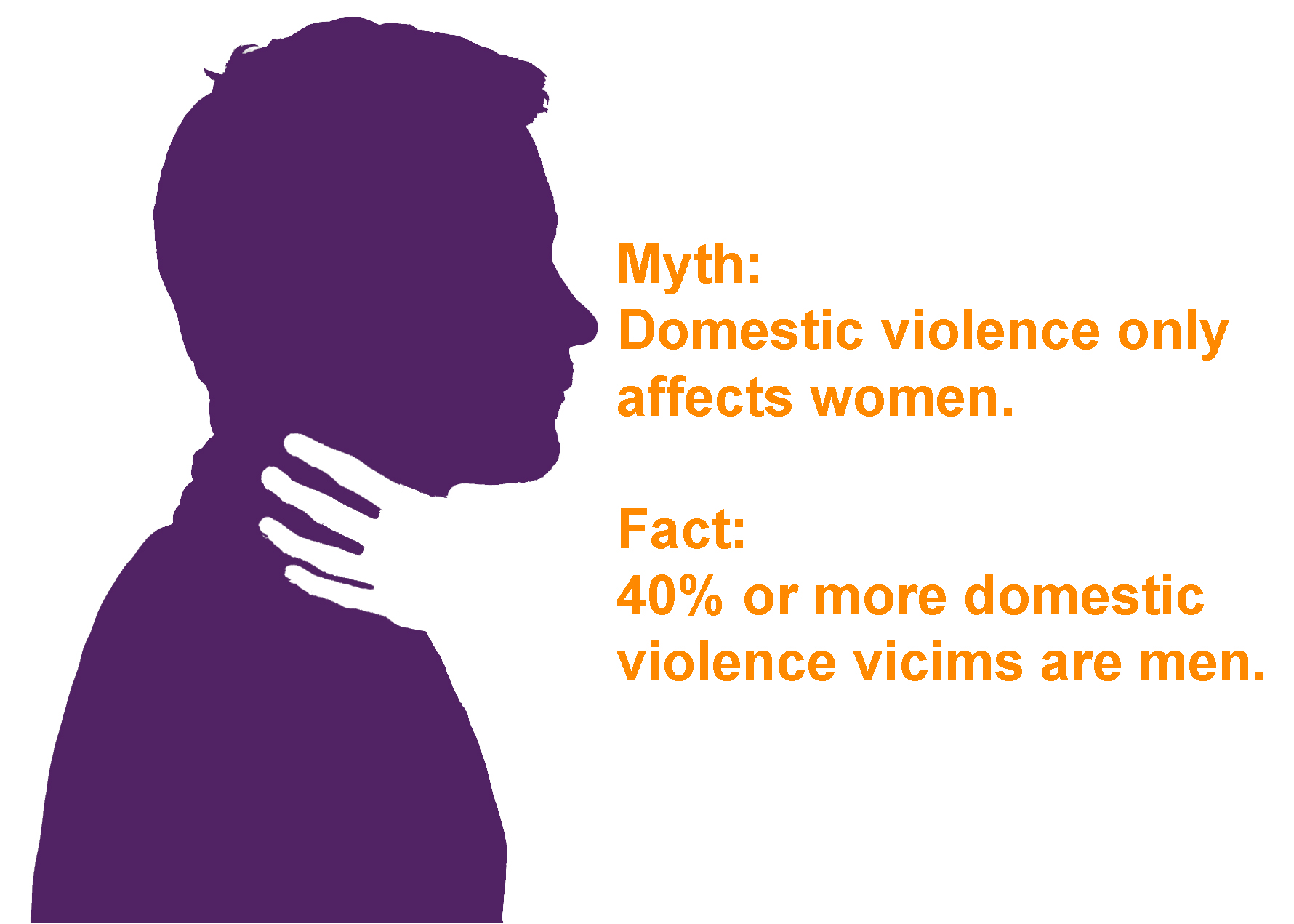
Malik: Well, T. J. really lost control and beat me so severely that I was hospitalized for days. But before that, I’d become chronically depressed—morose, unusually quiet, very timid, etc., etc. Horrible mood swings. I could barely function at work, and actually, in life. Everyone noticed something was really wrong.
Malik: One of the doctors immediately figured out that I was an IPV/A victim. Staring at me dead on, he said something like, “Look. I don’t mean to get all up in your business, but I can tell that your partner has been assaulting you. If you don’t get help soon, you’ll be in the morgue.” Then, his eyes softened, and he said, “Lemme help you. My brother has been through what you’re going through. Like I told him, ‘You’re better than this’.”
Wyatt: Wow. Did you heed his warning, take his advice?
Malik: I did. That hospital stay was the best thing that could’ve ever happened to me! That’s when I decided to split from T. J.
Malik: Fortunately, T. J. didn’t show up at the hospital, although he called. I acted like everything was just hunky-dory, so as not to alert him. Meanwhile, the doc informed me of resources I could tap into, and he had a counselor come in to talk with me.
Malik: And, I developed a plan, which included a sister of a good friend, who just happened to be a cop.
Wyatt: The plot thickens.
Malik: True. When I was released, “Madame Officer” accompanied me home. She asked if I wanted to press charges. I answered, “No, I don’t have the stomach for it. I just want him out of my space.”
Wyatt: Whoa! Was T. J. there?
Malik: Oh, yeah! She made him gather up all of his crap. (His name was not on the lease.) Next, she gave him one helluva stern warning NOT to contact me again—that she and her “friends” would be watching. Finally, she made him leave.
Wyatt: Dang! What was his reaction?
Malik: Totally blindsided! Livid. Then confused and intimidated.
Wyatt: You’d made your “Great Escape!” But that wasn’t the end of it; the Separation Violence and Abuse (SVA) started, correct?
Malik: My God, yes.
Wyatt: Malik, can you explain that experience?

Malik: You see, T. J. was feeling powerless–which royally pissed him off! I was no longer his “possession.” He blew up my phone, trying to convince me to take him back. When that didn’t work, he threatened me with physical violence. He threatened to out my status. His nastiness intensified dramatically. I was utterly stressed out. I was terrified!
Wyatt: It’s my understanding that you left the area for a few days to get some relief. But while you were away, something petrifying happened, right?
Malik: Yes. I went to Manhattan to visit a friend. When T. J. discovered I wasn’t in D.C., he went ballistic.
Wyatt: What happened?
Malik: He confronted my best friend, beat the crap outta him, forcing him to reveal where I was—and when I’d be back.
Wyatt: What?
Malik: When I came back the next day, T. J. was ready. He popped up on me at the apartment–and physically assaulted me.
Wyatt: The aftermath?
Malik: My buddy and I filed charges. T. J.’s doing jail time.
Wyatt: Malik, you finally made your “Great Escape!” How does it feel?
Malik: Wyatt, it’s indescribable! I got a job transfer and am thriving in another state.
Wyatt: I’m a strong proponent of counseling. Did you go that route?
Malik: I sure did! It was one of the best things I could’ve ever done. It has helped me to heal.
Wyatt: Malik, what advice do you have for victims of Intimate Partner Violence and Abuse, and Separation Violence and Abuse?
Malik: The bottom line is this: you deserve better! And if you want quality of life–and if you value your life–you have to find a way out! It’s as simple as that.
Wyatt: Malik, thank you so much for sharing your journey. You’re an inspiration to us all.
Malik: Wyatt, I was happy to do it.
My website has a special IPV/A section with resources to assist victims and survivors. www.wyattevans.com/ipva/
And if you or someone you know is experiencing Intimate Partner Violence and Abuse (IPV/A), call:
- The Gay Men’s Domestic Violence Project Hotline (1-800-832-1901).
- The Gay, Lesbian, Bisexual, and Transgender National Hotline (1-888-843-4564).
- The National Domestic Violence Hotline (1-800-799-7233).
- Trans Lifeline. US: (877-565-8860). Canada: (877-330-6366).
(And always remember: In some cases, “Lovin’ You to Death” isn’t all it’s cracked up to be.)




Leave A Comment