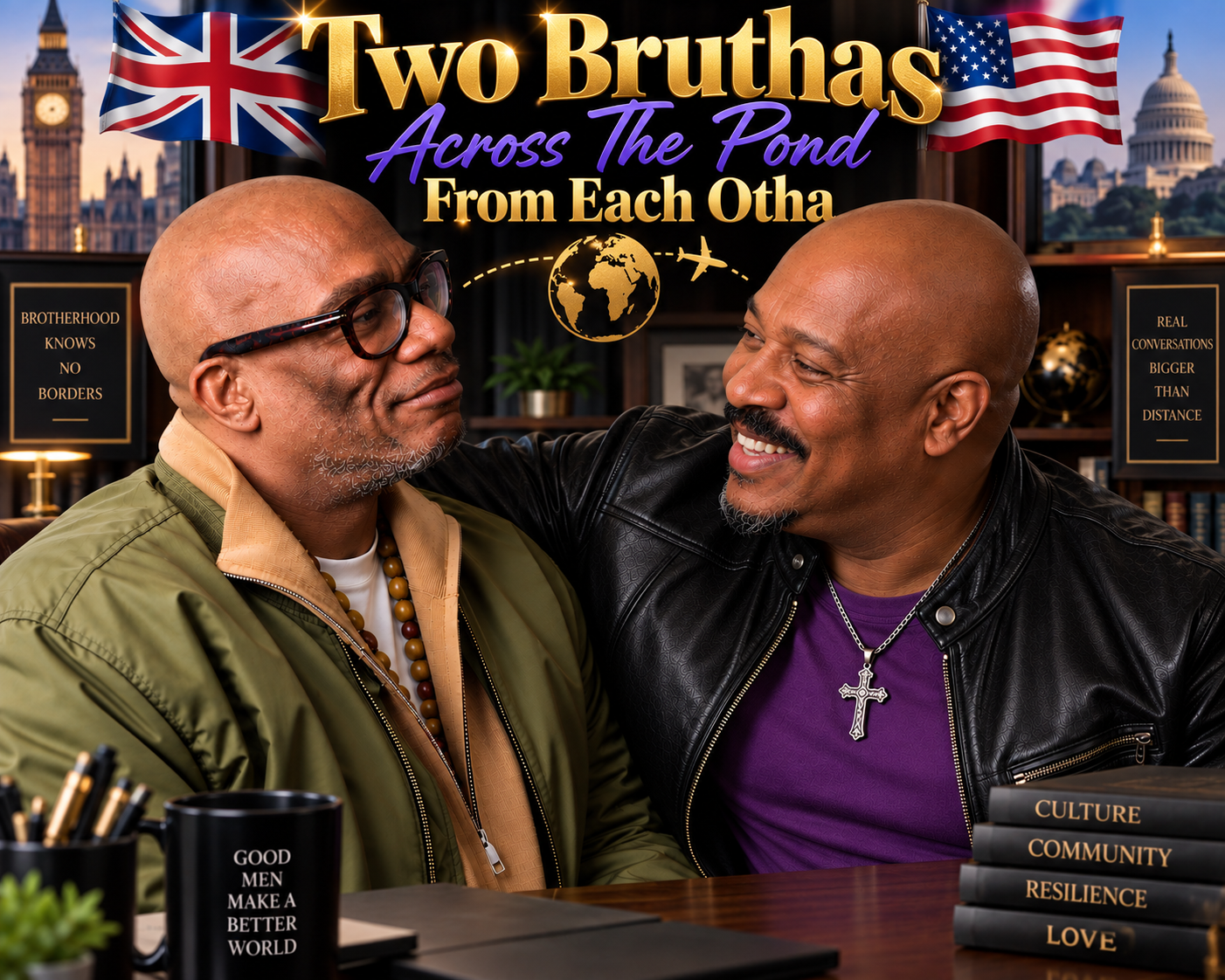
So, Who Are The “Brothas?”
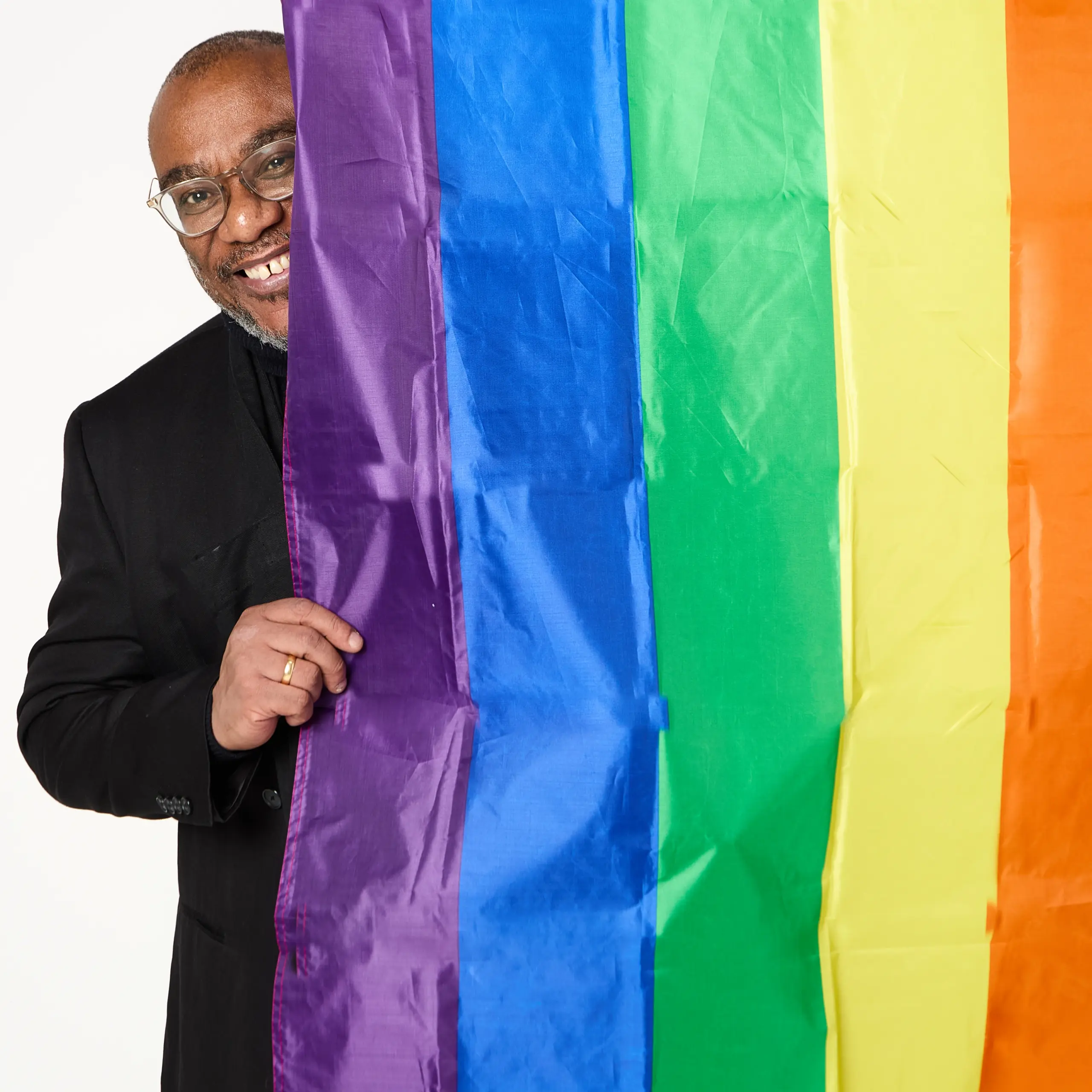
Meet Lloyd Young
Lloyd Young is an independent sexual violence advocate who has worked alongside victims and survivors of sexual and domestic violence for more than 7 years, particularly within the LGBT+ community. His professional background in UK criminal justice and social care has given him a deep understanding of both the systems survivors may have to navigate and, importantly, the human experiences behind those systems. As a survivor of domestic violence himself, Lloyd also brings valuable lived experience and personal insight to this conversation.
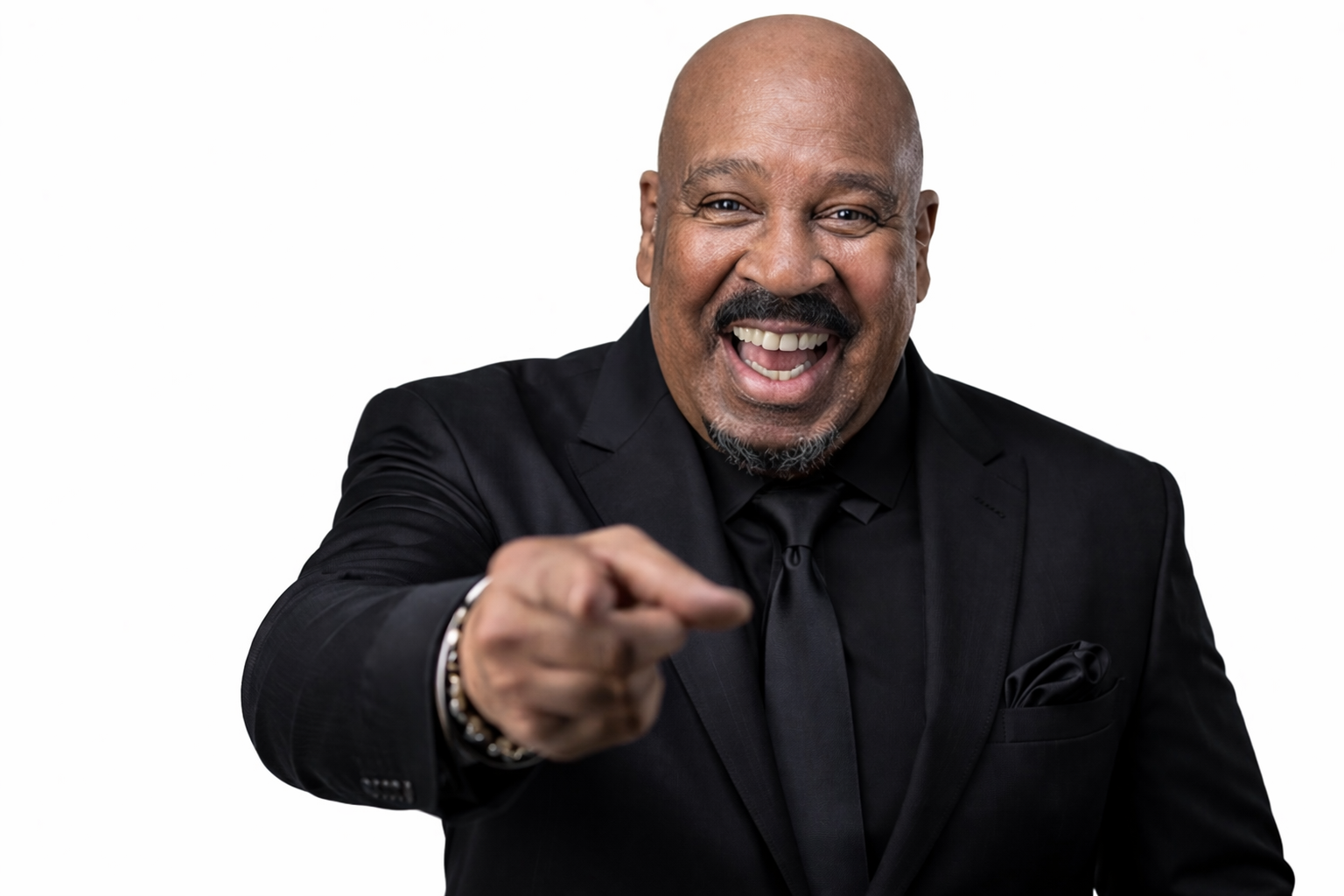
Meet Wyatt O’Brian Evans
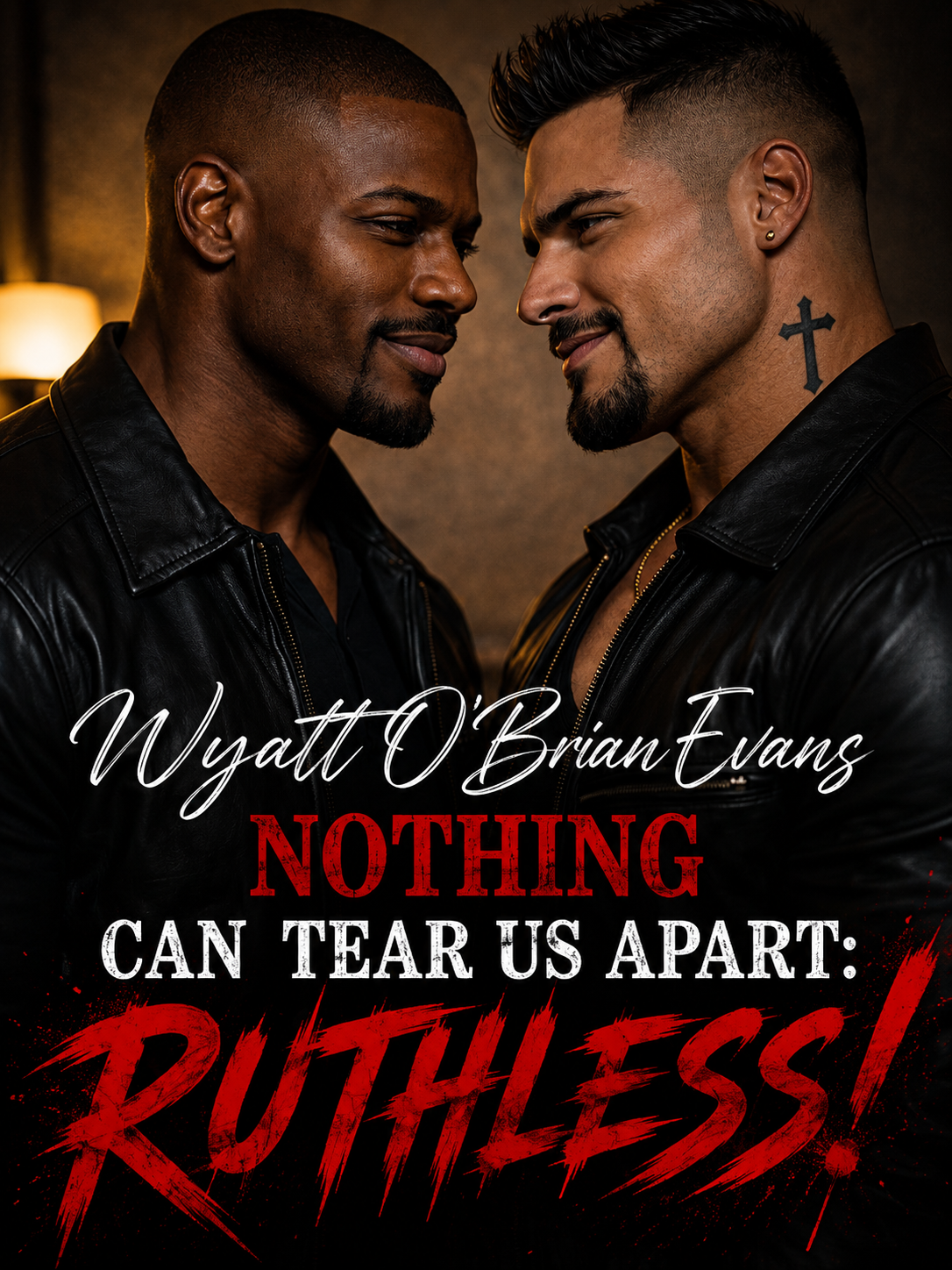
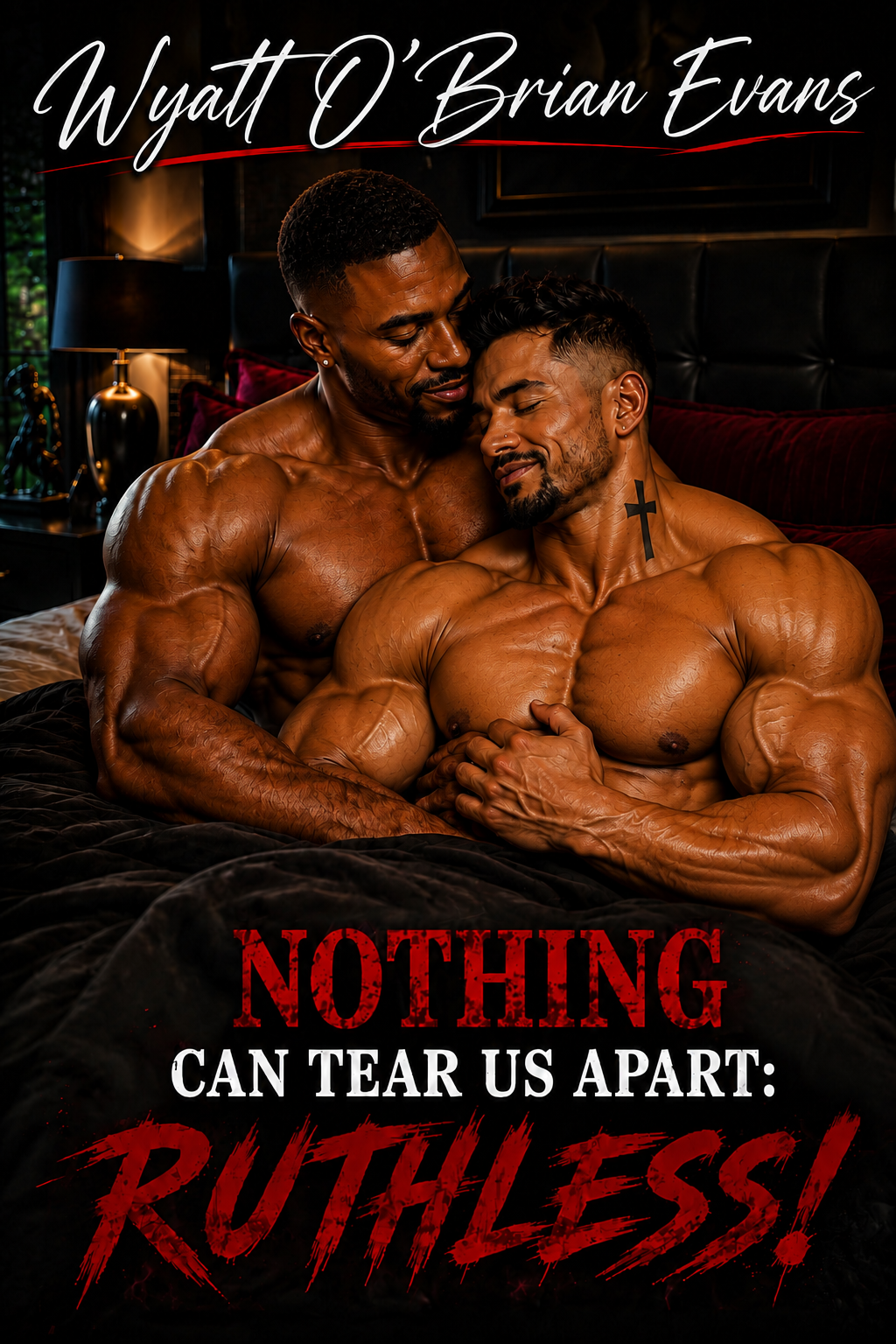
Wyatt O’Brian Evans is an intimate partner violence and abuse (IPV/A) subject-matter expert, advocate, and speaker who serves as LGBTQ+ Community Chair of the U.S. National Trauma Education and Policy Institute (NTEPI). He is also a journalist whose work has appeared in The Washington Post, The Huffington Post, The Advocate, and the Washington Blade; the host of the popular WyattOutLoud YouTube channel; and an award-winning author. IPV/A is a significant theme in his acclaimed new novel, Nothing Can Tear Us Apart: RUTHLESS! Like Lloyd, Wyatt is a survivor of intimate partner violence and abuse (IPV/A) and brings that lived experience to the conversation.
Across the Pond: Starting the Conversation
Lloyd: Hello, Wyatt. We’ve decided to have an ongoing conversation about intimate partner violence and abuse within the LGBTQ+ community, the experiences of victims and survivors, and the systems that are meant to support and protect them. This conversation is also personal for me: I am a survivor of domestic violence.
I hope that by sharing our experiences and perspectives from both sides of the Atlantic, we can explore some of the realities that victims and survivors face, the challenges they encounter when seeking help, and what more can be done to ensure that they are heard, supported, and protected.
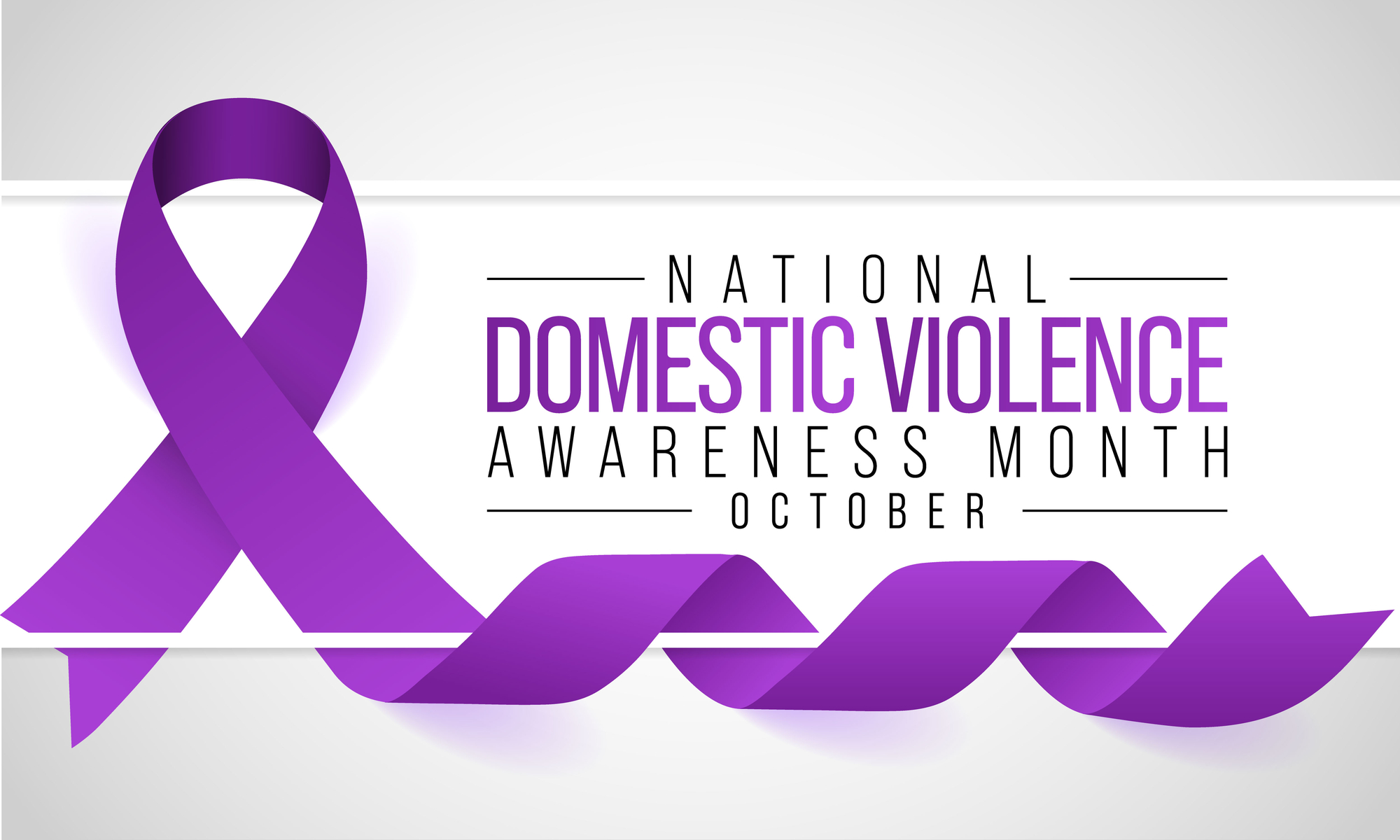
Wyatt: I feel you, Lloyd. First and foremost, October is Domestic Violence Awareness Month (DVAM) in the United States, a national observance dedicated to honoring victims, celebrating survivors, and uniting communities in the collective effort to end domestic violence.
This conversation is very personal for me because I’m also a survivor of Intimate Partner Violence and Abuse, or IPV/A. This demoralizing and potentially life-threatening cycle of abuse can include sexual violence. In the States, at least one in four LGBTQ+ relationships are abusive in some way; stigma is a major reason IPV/A is so dramatically underreported. IPV/A is no joke.
Lloyd: In England and Wales, the law around consensual sex between men changed considerably over time. The Sexual Offences Act 1967 partially decriminalised consensual sex between men, but only under specific conditions, including that both men were aged 21 or over and that the acts took place in private. The law changed again over subsequent decades, including when the age of consent was reduced to 18 in 1994 and then to 16 in 2000.
For me, this history is important when we talk about survivors of sexual violence and abuse. When someone speaks about something that happened many years ago, we need to understand the legal and social context in which they were living at that particular point in their life.
The law can shape how a person understands consent, abuse, their relationships, and whether they believe they can seek help or protection.
So, what happened across the pond? Did America experience a similar journey, and how did the law differ from state to state? And, importantly, how might those differences have shaped the experiences and understanding of LGBTQ+ victims and survivors?
Wyatt: Great points and questions, Lloyd. Although the United States constitutionally decriminalized consensual same-sex sexual activity between adults in 2003, stigma, discrimination, and the underreporting of violence within LGBTQ+ communities remain significant concerns.
Lloyd: That’s interesting, Wyatt. I wonder whether history is something we should also be considering when we talk about intimate partner violence today. How might a person’s experiences of discrimination, criminalisation, and stigma shape the way a survuior experience violence and abuse within an intimate relationship today?
That is why I am happy we created this space where we can talk openly and honestly about intimate partner violence and abuse within the LGBTQ+ community. Wyatt, we’ll begin by exploring your work, particularly your new novel, Nothing Can Tear Us Apart: RUTHLESS!, and the themes of intimate partner violence and abuse, trauma, love, control, survival, and resilience.
Wyatt: Thanks, Lloyd. Lemme give everyone the teaser to whet your appetite: “An incredibly wealthy Black Gay/SGL/Queer media mogul battling a split personality must confront a ruthless crime lord and deadly secrets before everything—and everyone—he loves are destroyed.”
Lloyd: Thanks, Wyatt. Opening up a wider conversation about how intimate partner violence is understood and responded to across the Atlantic [Pond] —looking at America alongside England and Wales, and asking what the law says, what happens in practice, and, most importantly, what the experience is like for victims and survivors. This isn’t simply a conversation about legislation. It’s a conversation about people, relationships, power, safety, and survival.
Wyatt: You hit the nail on the head, Lloyd. And perhaps most importantly, it’s about bringing into the light conversations that have too often been silenced, concealed, and locked away in the darkest corners of our lives. I’m humbled and excited to take this journey with you.
Lloyd, we “Two Brothas Across The Pond From Each Otha” will continue this meaningful, engaging, and thought-provoking conversation in our next column, ya? In the meantime, visit my website, www.wyattevans.com, for important domestic violence and IPV/A info and resources.
Lloyd: What can I say? I think it’s incredible that we’ve found each other through violence, through a subject that is so important to us, and one that can provoke such important conversations.
As a queer Black man, one of the things I’ve observed and want to explore is how experiences of abuse can be hidden by so many different factors within same-sex relationships between men. Masculinity, trauma, family relationships, or even whether someone has a supportive family around them can all play a part. These are some of the things I think we need to unpick, because they can determine whether someone feels able to report or disclose what has happened to them.
And quite frankly, who wants to disclose that, within a same-sex relationship between two men, they were vulnerable exposed to abused? What does that say about masculinity?
Wyatt: Absolutely! Lloyd, we “Two Brothas Across The Pond From Each Otha” will continue this meaningful, engaging, and thought-provoking conversation in our next column, ya? In the meantime, visit my website, www.wyattevans.com, for important domestic violence and IPV/A info and resources. Thanks, my friend! Until next time
Next Up: The History Behind the Trauma.
You can follow Lloyd on……follow on Instagram Blackexperienceuk ( Website coming Soon)
You can follow Wyatt on Facebook at www.facebook.com/wyattobrianevans; TikTok, @wyattoutloud; X, @MisterWOE; Instagram, sir.wyattofficial; YouTube, @ wyattoutloud; Substack, https://substack.com/@wyattoutloud


Leave A Comment