
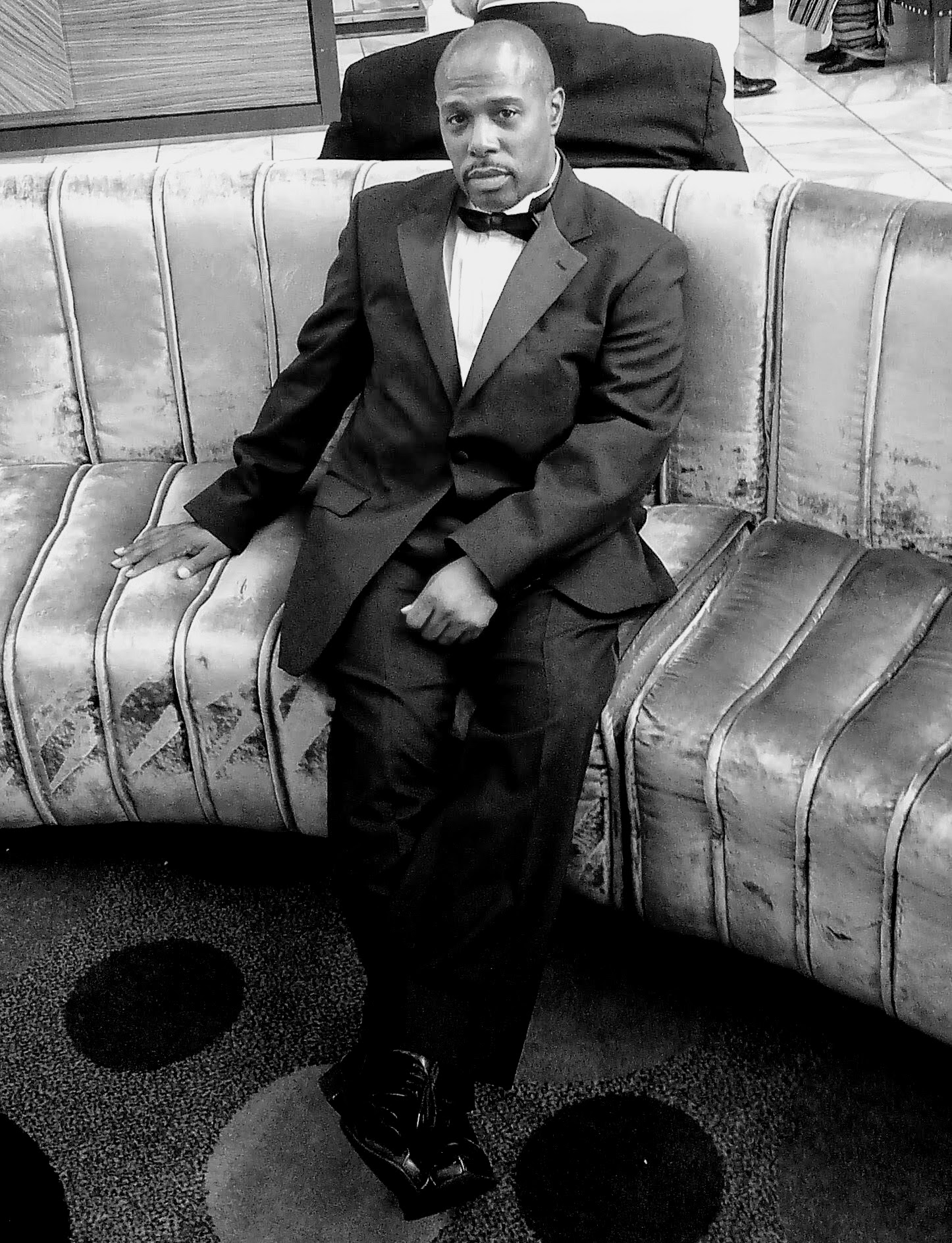
“L. S. Alexander Gumby: The Dapper Archivist of Harlem’s Renaissance”
Guest Writer: Bishop Hartsel Clifton Shirley
When people think of the Harlem Renaissance, names like Langston Hughes, Zora Neale Hurston, and Duke Ellington often come to mind. Yet among the era’s vibrant personalities was L. S. Alexander Gumby — a man whose life blended artistry, social flair, and a deep commitment to preserving African American history.
Though not primarily remembered as a singer in the commercial sense, Gumby’s voice — both literal and cultural — resonated in Harlem’s salons, gatherings, and artistic circles. His identity as an openly gay Black man in the early 20th century made him both a trailblazer and, for decades, an overlooked figure.
A Life in Style and Culture
Born in Maryland in 1885, Gumby moved to New York City in the early 1900s, where he immersed himself in the city’s artistic and intellectual life. He became known for his impeccable style: tailored suits, pale yellow kid gloves, a diamond stickpin, and his ever-present walking stick.
This dandyish elegance was more than vanity — it was a statement of self-definition in an era when both racial prejudice and homophobia sought to limit personal expression. Gumby’s Harlem studio became a gathering place for artists, writers, musicians, and thinkers. He hosted readings, performances, and discussions, creating a safe and stimulating environment for members of the Black and LGBTQ communities. His charisma and social connections made him a cultural connector, linking people across artistic disciplines .

The Gumby Book Studio
Perhaps Gumby’s most enduring contribution was his work as an archivist. He meticulously collected clippings, photographs, letters, and ephemera documenting African American life, from slavery through the Harlem Renaissance. These scrapbooks — now housed at Columbia University — are invaluable historical records, preserving voices and images that might otherwise have been lost.
While Gumby’s singing was not his primary claim to fame, he often performed at gatherings, using music to entertain and connect. His performances were less about commercial success and more about fostering community spirit.
Living Openly in a Restrictive Era
What makes Gumby particularly remarkable is that he lived openly as a gay man at a time when doing so carried significant personal and professional risks. Harlem’s queer subculture offered some refuge, but mainstream society was far less accepting. Gumby’s openness was an act of quiet defiance, and his studio became a haven for others who lived outside the norms of the day.
His sexuality was not incidental to his life’s work — it shaped his understanding of marginalization and his commitment to documenting the lives of those pushed to the edges of history. In this way, Gumby’s personal identity and professional mission were deeply intertwined.
Legacy
L. S. Alexander Gumby died in 1961, but his influence endures. His scrapbooks remain a treasure trove for historians, and his life story offers a reminder that the Harlem Renaissance was as much about community-building and self-expression as it was about art and literature.
Today, Gumby is increasingly recognized not only as a preserver of history but also as a figure who embodied the intersection of Black and gay identities long before such intersections were widely acknowledged.
L. S. Alexander Gumby was proof that we were there in the past, present now, and always will be.

Bishop Hartsel Clifton Shirley is an author, writer, singer/songwriter, and bishop from Waterloo, Iowa. He received his master’s degree in business from the International Business Management Institute in Berlin, Germany.
Currently residing in Atlanta, Mr. Shirley is a National and International Social Action bishop, part of New Direction Overcomers’ International Fellowship (based in Richmond, Virginia).
A multi-faceted talent, Hartsel is a writer, author, and singer/songwriter. A bronze International Society of Poets prize winner, he has penned editorials for the Waterloo/Cedar Falls Courier. His best-selling novel is Three Words, Four Letters, published by Ishai Books. Additionally, Hartsel has charted at #1 several times on the ReverbNation pop music charts.
Inspired by Langston Hughes, Bishop Shirley states, “I write what moves me. There is nothing I can’t write. I just have to care about it so I can write truthfully.”
Hartsel’s current book, The Night Eddie Sallis Died, is based on factual information he uncovered in 2002 about a 1966 jail cell “suicide” in Waterloo, Iowa (his place of birth). This revealing and riveting book pulls back the curtain on racism and police brutality. The author emphasizes, “These truths make Iowa a state not to be taken lightly–nor forget.”
Hartsel’s upcoming works include Three Words and Four Letters, the second and third installments of his first novel, and his third music project, Rebel With A Cause.
Email Bishop Shirley at hartselshirley@gmail.com

Leave A Comment